12/31/2013

Welcome !

[ . BACK to TOP . ]
:::::::::::::::::::::::::::::::::::::::::::::::::::::::::::::::::::::::::::::::::::::::::::::::::::::
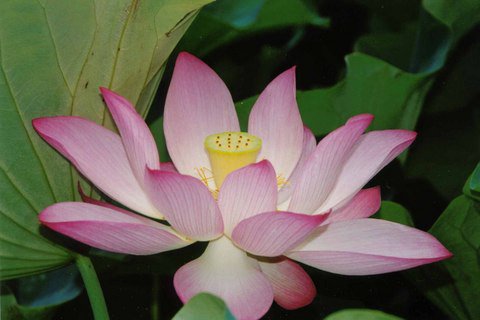

Welcome to the World Kigo India Database !

... .... ... The India Saijiki


..... ..... ..... Namaste !

:::::::::::::::::::::::::::::::::::::::::::::::::::::::::::::::::::::::::::::::::::::::::::::::::::::

Use your browser to find a word in this index.....
OR use the Search Function on the top right.


© Gabi Greve

Alphabetical Index of the World Kigo Database


..............................................................................


.. .. .. .. .. .. .. General Items

. . . . ENTRY: Submit your Entry for a Kigo


Seasons and Categories Learn the Basics of World Kigo


Basic Japanese Haiku Theories !
For Haiku Beginners !


ooooooooooooooooooooooooooooooooooooooooooo

Poets, Essays, Links and general information about

... ... ... ... ... Haiku in Bangladesh

... ... ... ... ... Haiku in Bhutan BHUTAN SAIJIKI

... ... ... ... ... Haiku in India

... ... ... ... ... Haiku in Nepal

... ... ... ... ... Haiku in Pakistan

... ... ... ... ... Haiku in Tibet


Haibun from India


ooooooooooooooooooooooooooooooooooooooooooo


Getting to Know India

Indian Art, Articles Exotic India by Nitin Kumar

Festivals of India, all are kigo

Music of India Indian Music and Haiku

:::::::::::::::::::::::::::::::::::::::::::::::::::::::::::::::::::::::::::::::::::::::::::::::::::::

A special thank you goes to Kala Ramesh for her countless contributions and fruitful cooperation
with this INDIA saijiki.

Gabi Greve, December 2006

:::::::::::::::::::::::::::::::::::::::::::::::::::::::::::::::::::::::::::::::::::::::::::::::::::::

Please check the main index for more kigo information.


Main Index of the World Kigo Database

:::::::::::::::::::::::::::::::::::::::::::::::::::::::::::::::::::::::::::::::::::::::::::::::::::::


Contributions from all Indian haiku poets are welcome!

:::::::::::::::::::::::::::::::::::::::::::::::::::::::::::::::::::::::::::::::::::::::::::::::::::::


in Punjabi my name is ਗਾਬੀ ਗੀਰੀਵ

SEARCH all articles by Gabi Greve


:::::::::::::::::::::::::::::::::::::::::::::::::::::::::::::::::::::::::::::::::::::::::::::::::::::
:::::::::::::::::::::::::::::::::::::::::::::::::::::::::::::::::::::::::::::::::::::::::::::::::::::

Seasonal Words - List

[ . BACK to TOP . ]
:::::::::::::::::::::::::::::::::::::::::::::::::::::::::::::::::::::::::::::::::::::::::::::::::::::

List of seasonal words (kigo) from India

... ... ... ... The India Saijiki

インド 歳時記 


:::::::::::::::::::::::::::::::::::::::::::::::::::::::::::::::::::::::::::::::::::::::::::::::::::::


According to the classical text of the Ritusamharam we will introduce six haiku seasons in India, two more that the four seasons of the Japanese Saijiki.
(Thanks to the initiative of Kala Ramesh!)

Each Indian seaseon comprises only two months, whereas in the Japanese saijiki, each season (except the New Year), comprises three months and is divided in early, middle and late part of the season.
Seasons and Categories Learn the Basics of World Kigo.


The rainy season (tsuyu) is covered as a Japanese kigo for Mid-Summer.

Frost, which comprises November and December, is an ALL WINTER kigo in Japan.

November and December comprise kigo for early and middle winter in Japan, check it here: http://etext.lib.virginia.edu/japanese/haiku/saijiki/4wi.html

:::::::::::::::::::::::::::::::::::::::::::::::::::::::::::::::::::::::::::::::::::::::::::::::::::::


Here are the six seasons for INDIA

Spring - called Vasant(Basant) - in the months of Chaitra and Vaishakh
approximately March and April

Summer – called Grishma –in the months of Jaishthya and Aashadh
approximately May and June

Rains – called Varsha - in the months of Shravan and Bhadrapad
approximately July and August

Autumn called Sharad - in the months of Aashwin and Kartik
approximately September and October

Frost – called Hemant – in the months of Margshishya and Pousha
approximately November and December

Winter - called Shishir - in the months of Magh and Phalgun
approximately January and February


:::::::::::::::::::::::::::::::::::::::::::::::::::::::::::::::::::::::::::::::::::::::::::::::::::::


Haiku about each season
by Narayanan Raghunathan


About the climate, see also:
http://www.indianchild.com/climate_india.htm

:::::::::::::::::::::::::::::::::::::::::::::::::::::::::::::::::::::::::::::::::::::::::::::::::::::


. ................. INDIAN KIYOSE


.. .. .. Spring (March - April)

Ambedkar Jayanti, Memorial Day

Baishakhi Festival

Chidambaram Dance Festival in honour of Shiva

Flame of the Forest (Butea monosperma, Delonix regia) Two Trees with orange blossoms. Gulmohar

Goa Carnival
Gudi Padva Festival

Hanuman Jayanti Festival

Himalayan Bearded Vulture chicks
Gypaetus barbatus aureus, a kind of Lammergeier

Holi Festival.. Dol Yatra (the Swing Festival)

Jallikattu Bull Fight during Pongal Festival

Kite flying India, Pakistan

Mahavir Jayanti Festival
Mango blossoms

Marathi New Year's Day Ugadi, Yugadi, Gudipadva

Neem blossoms, neem tree, magosa (Azadirachta indica)
and some food: Ugadi Pachadi


Pesakh Festival
 Pongal
Pooram Festival

Ramnavami Festival
Ramzan Id Festival

Shiva Ratri Night, Festival India, Nepal, Hindu Communities
Spring Festivals (Vasannta Utsav, India) also worldwide
Spring in India (vasant, basant)

Trumpet tree, golden yellow trumpet tree (Tabebuia chrysantha) India

Vasant Navratri Festival

:::::::::::::::::::::::::::::::::::::::::::::::::::::::::::::::::::::::::::::::::::::::::::::::::::::

.. .. .. Summer (May - June)

Buddha's Birthday, Buddha Purnima

Cassia blossoms (Cassia fistula) ... amaltaas, bendra lathi, aragvadha and other names
In Punjabi: ਅਮਲਤਾਸ

Ganges (Ganga) flowing down

Mango fruit

Pipal tree (Ficus religiosa) Peepul, peepal or bo tree

Summer in India, find more kigo

Rollerskates

Tukaram Celebrations

Water shortage (for various reasons)
. . . drought (not enough rain)


World Music Day 

:::::::::::::::::::::::::::::::::::::::::::::::::::::::::::::::::::::::::::::::::::::::::::::::::::::

.. .. .. Monsoon, the Rains (July - August)

Guru Poornima/ Guru Purnima Teachers Day
full moon day in the Hindu month of Ashad (July-August)

Independence Day (India) August 15, 1947

Juggernaut Festival (India)

Monsoon rain, details ..(India, South Asia)

potholes in the road

Senior Citizen's Day, August 21    
Serpent Festival (Nag Panchami) (India) Snake Festival

Tagore Memorial Day   Rabindranath Tagore
Trekking , Trek

Umbrella

:::::::::::::::::::::::::::::::::::::::::::::::::::::::::::::::::::::::::::::::::::::::::::::::::::::

.. .. .. Autumn (September - October)

Autumn in India

Chandrika Soap "the moon-faced one"

Dussera, Dasara, Dussehra: Day Of Victory 
..... Navaratri : Nine Nights Of Festivities. Bomma kolu. pavadai skirts.

Divali (Diwali, India)

Fog, Mist, Haze and more

Ganesh Chaturthi Festival

Mahatma Gandhi's Birthday      

Parijaat blossoms, Night Jasmine (Nyctanthes arbor-tristis )

Sesame (til, tila, gingili)

Teacher's Day,  Sarvapalli Radhakrishnan Memorial Day
Tiger Dance (Huli Vesha, Puli Vesha)

Vailankanni (Velankanni), Festival in Chennai, India

World Peace Day and Ahimsa 

:::::::::::::::::::::::::::::::::::::::::::::::::::::::::::::::::::::::::::::::::::::::::::::::::::::

.. .. .. Frost (November - December)

Frost in India

Nehru, Pandit Jawaharlal Nehru’s Memorial Day, Children's Day


:::::::::::::::::::::::::::::::::::::::::::::::::::::::::::::::::::::::::::::::::::::::::::::::::::::

.. .. .. Winter (January - February)


Bikaner Camel Festival, Rajasthan

Congee, rice porridge, kanji ... hot cereals

Coral Tree Blossoms (Erythrina indica) Tiger's claw, Sunshine Tree

Damsel crane

New Year

Poush-Magh Festival

Republic Day January 26

Sugar cane

Tiruppavai of Andal (Andaal) Tamizhnadu, Tamil Nadu
Tumeric, fresh (kurkuma, ukon)

Winter in India A few more kigo ...

:::::::::::::::::::::::::::::::::::::::::::::::::::::::::::::::::::::::::::::::::::::::::::::::::::::

.. .. .. Topics for ALL seasons

Amritsar and Golden Temple
Ayurveda and Massage

Anklets (payal) , Bracelets, Bangles
Aum (阿吽) A-Un, Om

BAMBOO .. An Asian Plant
Banyan Tree
Basil, Holy Basil (tulsi, tulasi, thulasi)
Bells, Temple Bells in India
Benares and the Burning Ghats - Varanasi
Bhagavad Gita
Bhang, Bhaang Drink
Bikaner .. a town in Rajasthan
Birla Planetarium, Chennai
Bodhidarma, Daruma san in Japan
Bombay, Mumbai
Buddha, Shakyamuni, Shaka

Chillum, chilum, cheelam .. pipe
Chittorgarh Fort (Rajasthan)
Coconut, Coconut palms Philippines, India
Cow (Pashu, Gai) The Holy Cow of India
Curry (karee カレー) Curry rice and other curry dishes

Dance, dancing
Delhi, Old Delhi, New Delhi
Dhobi - washers

Earthquake

Food from India
Football, Soccer

Ganesh The elelphant-headed god
Ganges, the Holy River Ganga
Guava tree myrtle family Myrtaceae
Guru (teacher) Sensei (Japan)

Harike Wetland, Punjab
Henna (mehandi)
Himalaya Mountains

Incense

Jal-trang instrument

Kahwah tea
Kamakhya Temple near Guwahati in Assam
Khadi handspun cotton. Mahatma Gandhi.
Koel, Koil, Kuil, a Bird (Eudynamys scolopacea) oni kakkoo (Japan)
 Kolam, kollam, kulam
Kumbh Mela, Kumbmela, Kumbha Mela

Labyrinth  
Lingam, Shiva Linga
Lotus (padma)
Lotus Temple Delhi
Lucknow

Mandala
Marathon Boy Budhia Singh
Meditation (dhyana)
Meera, a Saint Meerabai, Mirabai, Mira
Monkey, Hanuman, Langur
Moon, waxing (moondraam pirai)

Music of India
..... Music: Raagam
..... Music: Shruthi
..... Tansen The Musician

Panchatantra, a Fable
Papaya Carica papaya
..... Philosophical and Mythological Haiku from India
Plumeria, Frangipani
Phulkari embroidery Punjab

. Punjab - Haiku from Punjab - パンジャブ .

Punjabi Jutti shoes

Rain 
Rice, Basmati Rice 
Ropar town, Punjab
 
Sandalwood (chandan)
Sari Dress for Ladies
Sarovar - Sacred Pool
Sassui Punhun folktale, Sassi Punnun
Shisham tree - Dalbergia sissoo
Shivaji's forts

Silence (maun)
..... The Infinite Cosmoses Of Infinite Silences
by Narayanan Raghunathan
..... Silence and Stones
..... Silence and Haiga

Sirhind canal - Punjab
Spices of India, an overview   

Sun (dinesh, dinesha) "He who is the lord of the days"        
Sun god (aditya) (India), Sun Godess Amaterasu Omikami (Japan)
..... including suriya namaskar and the gayatri mantra

Sunbirds


Taj Mahal ... "the Taj"
Tantra
Temples in India
Tiger
Towns of India and haiku Asansol, Bangalore, Contai, Hardwar, Mysore, Sambalpur
Trekking Treck, Trecking

Window      

Yoga


*****************************

THE INDIA SAIJIKI

Back to the Worldkigo Index

:::::::::::::::::::::::::::::::::::::::::::::::::::::::::::::::::::::::::::::::::::::::::::::::::::::

Getting to Know India

[ . BACK to TOP . ]

:::::::::::::::::::::::::::::::::::::::::::::::::::::::::::::::::::::::::::::::::::::::::::::::::::::

.. .. .. .. .. Welcome to India !


An Overview of India
http://www.tourisminindia.com/indiathedestination/index.htm


In our Kigo Database Library:

The Symbols of India


GENERAL

National Portal of India


:::::::::::::::::::::::::::::::::::::::::::::::::::::::::::::::::::::::::::::::::::::::::::::::::::::

EDUCATION

Krishnamurti Foundation India / Journal

Articles in the Journal broadly cover the areas of philosophy and practice in education. The authors of the articles have been deeply moved by questions of life and education raised by the philosopher J. Krishnamurti, and their ongoing enquiry into such questions is reflected in their teaching and writing. This aspect of the Journal widens its scope and relevance to far beyond the classroom, indeed to the heart of learning and life itself.
http://www.journal.kfionline.org/about.asp


... The Haiku Scene in India : World Kigo Database


:::::::::::::::::::::::::::::::::::::::::::::::::::::::::::::::::::::::::::::::::::::::::::::::::::::

............................. Nature

Birds of India
With 1250 species of birds, India is a paradise for bird watching.
The Blue Peafowl is the national bird.
For birding in India, 13 bio-geographical regions can be identified depending upon bird distribution: Trans Himalayan, Western Himalayas, Eastern Himalayas, Desert, Semi-arid, Gangetic plain, Central India, Deccan Plateau, Western Ghats, Eastern Ghats, North East, Coasts and the Andaman Nicobar Islands.
Copyright © birding.in and Birding in India


Flora of Haryana
Haryana has a forest covered land of about 3.5 per cent of the total area. A thorny dry deciduous forest, pine and thorny shrubs can be found all over the state.
Sal trees (Shorea robusta)
Tulsi (Ocimum sanctum)
..............................and many many more...
Copyright © Haryana Online

Fauna of Haryana
Haryana became a new state of India on 1st November, 1966, with Chandigarh as its capital.


:::::::::::::::::::::::::::::::::::::::::::::::::::::::::::::::::::::::::::::::::::::::::::::::::::::

............................. City Guides
Bangalore
Calcutta
Chennai
Delhi/New Delhi
Mumbai
Thiruvananthapuram


*****************************
http://www.tourindia.com/htm/homepage.htm


An Overview
Clickable Map
National Insignia
Major Cities
Regions-States


*****************************
Welcome to Incredible India !


Namaskar, welcome to Incredible India, where culture echoes, tradition speaks, beauty enthrals and diversity delights.

Bounded by the majestic Himalayan ranges in the north and edged by an endless stretch of golden beaches, India is a vivid kaleidoscope of landscapes, magnificent historical sites and royal cities, misty mountain retreats, colourful people, rich cultures and festivities.

http://india-tourism.com/


:::::::::::::::::::::::::::::::::::::::::::::::::::::::::::::::::::::::::::::::::::::::::::::::::::::

............................. Indian Art

Indian Art, Articles
Exotic India by Nitin Kumar

Art India Net

an exclusive site on Indian Performing and allied arts.

India Art
Information on visual arts, including paintings, crafts, art education and so on

Indian Heritage - info on Indian art & culture
Indian Heritage, information on all topics relating to Indian art, culture and tradition

PRABHU'S WEB PAGE ON INDIAN COINAGE
to explain the evolution of coinage and its role in understanding the history of India. By Govindraya Prabhu S.


HARAPPA ... Glimpses of South Asia before 1947


Indian Poetry and Writing
Boloji.com includes IndiaNest.com and PoeticNest.com
http://www.boloji.com/index.htm
http://www.boloji.com/poetry/index.htm


:::::::::::::::::::::::::::::::::::::::::::::::::::::::::::::::::::::::::::::::::::::::::::::::::::::

............................. Indian Food

Sailus Kitchen with Seasonal Recipies

Food from India used as KIGO


:::::::::::::::::::::::::::::::::::::::::::::::::::::::::::::::::::::::::::::::::::::::::::::::::::::

.. .. .. .. .. Welcome to India in Japan !

Nihon to Indo Koryu no Rekishi 日本とインド 交流の歴史
Japan and India: the History of Exchanges


© PHOTO 三省堂


. . . . . History of Indians in Japan WDK Library


© PHOTO Japan Post and Stamps about India


*****************************

THE INDIA SAIJIKI

Back to the Worldkigo Index
http://worldkigodatabase.blogspot.com/

BACK to the TOP / INDIA SAIJIKI

:::::::::::::::::::::::::::::::::::::::::::::::::::::::::::::::::::::::::::::::::::::::::::::::::::::

12/18/2012

- Punjab INTRODUCTION

[ . BACK to WORLDKIGO TOP . ]
:::::::::::::::::::::::::::::::::::::::::::::::::::::::::::::::::::::::::::::::::::::::::::::::::::::

The Punjab

( Punjabi: ਪੰਜਾਬ, پنجاب, Urdu: پنجاب, Hindi: पंजाब),
also spelled Panjab (Persian: پنجاب, panj-āb, "five waters"),
is a geographical region straddling the border between Pakistan and India which includes Punjab province in Pakistan and the states of the Punjab, Haryana, Himachal Pradesh, Chandigarh and some northern parts of the National Capital Territory of Delhi in India.

The name of the region is Persian in origin and means "(The Land of) Five Waters" referring to the following rivers: the Jhelum, the Chenab, the Ravi, the Sutlej, and the Beas. All are tributaries of the Indus River, the Jhelum being the largest. Punjab has a long history and rich cultural heritage. The people of the Punjab are called Punjabis and their language is called Punjabi.
The main religions of the Punjab region are Islam, Sikhism and Hinduism.


The area now known as the Greater Punjab comprises what were once vast territories of West Pakistan and northern western India.

The Punjabi region of North India, Iran, Afghanistan and Pakistan, has a historical and cultural link to Indo-Iranian (Aryan) heritage identity. As a result of numerous invasions, many ethnic groups and religions make up the cultural heritage of Punjab.

In 326 BCE, Alexander the Great invaded the Punjab from the north and incorporated it into his empire.

The British Raj had political, cultural, philosophical and literary consequences in the Punjab, including the establishment of a new system of education.
© More in the WIKIPEDIA !

:::::::::::::::::::::::::::::::::::::::::::::::::::::::::::::::::::::::::::::::::::::::::::::::::::

quote
Climate of Punjab
Punjab is situated in the North-Eastern part of India.
The Punjab Climate is determined by the extreme hot and extreme cold conditions. The region lying near the foot hills of Himalayas receive heavy rainfall whereas the region lying at a distant from the hills, the rainfall is scanty and the temperature is high.

Punjab Climate comprises of three seasons.
They are the summer months that spans from mid April to the end of June.
The rainy season in Punjab is from the months of early July to end of September.
The winter season in Punjab is experienced during the months of early December to the end of February.
The transitional Seasons in Punjab are the post monsoon season and the post winter season.

Summer in Punjab actually commences from mid April. But the temperature starts rising from February onwards. The summer months are followed by the rainy seasons. Generally, the rainy season in Punjab begins in the first weeks of July. It ranges from 250mm to 1000mm. The agriculture of the state highly depends on the rains. The monsoon is brought by the monsoonal winds blowing over the Bay of Bengal. The winter season in Punjab is mostly experienced in the month of January, when the temperature falls to 5 degree in the night and it is around 12 degree in the morning.

The post monsoonal transitional season remains quite fair and dry. In the post winter transitional season, hail storms and brief showers occur which causes damage to the crops. During the end of the March, the wind becomes dry.
The Punjab Climate has been a great factor in contributing to the economy of the state.
source : www.mapsofindia.com/punjab


source : www.mapsofindia.com

Click for enlargement !


. Peaks of Punjab Himalaya .


:::::::::::::::::::::::::::::::::::::::::::::::::::::::::::::::::::::::::::::::::::::::::::::::::::::

Punjabi
(ਪੰਜਾਬੀ in Gurmukhi script and
پنجابی in Shahmukhi/Perso-Arabic script)
is an Indo-Aryan language spoken by inhabitants of the historical Punjab region (north western India and in north eastern Pakistan). For Sikhs, the Punjabi language stands as the official language in which all ceremonies take place. In Pakistan, Punjabi is the most widely spoken language. Punjabi can be subdivided into two varieties, known as Eastern Punjabi and Western Punjabi.

The Punjabi language has many different dialects, spoken in the different sub-regions of greater Punjab.
Modern Punjabi is not the predominant language of the Sikh scriptures (which though in Gurmukhi script are written in several languages).

Punjabi is spoken as a native language by over 2.85% of Indians.
Punjabi is the official language of the Indian state of Punjab.
© More in the WIKIPEDIA !


Gurmukhi (Punjabi: ਗੁਰਮੁਖੀ, IPA: [ɡʊɾmʊkʰi])
is the most common script used for writing the Punjabi language.
An abugida derived from the Landa script and ultimately descended from Brahmi, Gurmukhi was standardized by the second Sikh guru, Guru Angad Dev Ji, in the 16th century. The whole of the Sri Guru Granth Sahib Ji's 1430 pages are written in this script. The name Gurmukhi is derived from the Old Punjabi term
"guramukhī", meaning "from the mouth of the Guru".
The 10 Sikh Gurus adopted the Proto-Gurmukhi script to write the Guru Granth Sahib, the religious scriptures of the Sikhs.
© More in the WIKIPEDIA !

:::::::::::::::::::::::::::::::::::::::::::::::::::::::::::::::::::::::::::::::::::::::::::::::::::::


Sat Siri Akal (Truth is God) - Namaste !
by Dr. Sandip Sital Chauhan


A Sikh place of worship is called Gurdwara.
The Golden Temple, in Amritsar is the most sacred place of the Sikh religion.


Barah Maha (ਬਾਰਹ ਮਾਹਾ) / Twelve Months

1) Chyet / ਚੇਤ
Chyet (March-April)

The season of Chayet when the birds sing in quiet harmony, the serene waters flow, the flowers have bloomed to their full glory…and now, seeds are forming…the seeds that may pave the way for another season.

2) Waisaakh ਵਿਸਾਖ
Waisakh (April- May)

A season where life and death are simultaneous. The seeds of Chaitra have died to give birth to a new awareness…with a sense of waiting…of hope…of expectation…when life all around is slowly wilting. The trees are beginning to shed, the waters are receding, the birds have quietened down and so has the sky…quiet and somber, and, all around is the sheer brilliance of gold reflected in the golden grain of wheat in the fields.

3) Jeth/ਜੇਠ
Jaith (May-June)

literally means ‘Bigger’. the Sun at the peak of its glory, its heat…for the sun has inched its way closer to the earth, the days are stretching and burning…like the heart and the soul of an ambitious worldly human scorching desires…money…power… heat …there is restlessness all around- …harsh and ruthless…tormented skies and burning souls on earth.

4) Assad/ਹਾੜ੍ਹ
Asaad (June- July)

means ‘hope arises’. Just as the heat reaches its peak in the month of Jaith, and burns up the earth…what survives is one that’s firmly rooted to the earth…leaving nothing but a vacuum as storms rage in with all their fury …the thunderstorms, dark ominous clouds, raging waters…but there is a hope that soon the Gods above will relent and shower this earth with their blessings for the life to flower again soon.

5) Sawan/ਸਾਉਣ
Sawan (July-August)

The earth is blessed again. The divine rains have given life to nature and habitat all around to the trees, the waters, the mountains, the skies. Life is young and green again bringing with it a sense of energy and fulfillment

6) Bhadon/ਭਾਦੋਂ
Bhadon(August-September)

depicts a duality of the season’s characteristics. The second month of Sawan on the one hand brings excitement; life and abundance while on the other there are thundering skies and somewhere, a lurking fear of the past…of over abundance

7) Aasun/ਅੱਸੂ
Aasun (September-October)

come, listen, quietly. Its quiet and calm outside…try and find it within you too. Hold on to your restless spirit and listen. Listen to the quiet harmony of nature, to the song of your own spirit. A time to listen and imbibe the stability and the stillness …the sthirta

8) Katke/ਕੱਤਕ
Katake(October-November)

a month when the skies have cleared, all insects and reptiles prepare to move in to their holes. Kartik brings with it soft, pleasant and cool air. A time to clean up your home, to decorate it and prepare to welcome Ram, to welcome your own self and your soul…a season of correction.

9) Manghar/ਮੱਘਰ
Manghar(November-December)

time to come home. A time for fairytales, of story telling…searching…a time to be with one’s own self. When the birds are on their way home and the skies are beginning to get cold. This is the time to remain inside ones own space.

10) Poukh/ਪੌਹ
Poukh (December -January)

A time for hibernation. A time when it so cold that the birds have all flown away and the animals choose to sleep in, when the waters have frozen and the mountains hidden themselves under a blanket of snow

11) Maagh/ਮਾਘ
Maagh (January-February)

the seeds that were sown have now sprouted…a new beginning as life is born again…

12) Falgun/ਫੱਗਣ
Falgun (February March)

Life blooms all around full of color, music, hope and ecstasy. The trees, the flowers, the singing waters, the dancing skies, suggest a celebration of life, an awakening of the soul.
Routed…a new beginning as life is awaken from the sleep again


The above information was originally composed by Sidharth Artist.

More here:
source : todaysikh.com


.................................................................................


quote
BARAH MAHA or BARAH MASA (in Hindi),
is a form of folk poetry in which the emotions and yearnings of the human heart are expressed in terms of the changing moods of Nature over the twelve months of the year. In this form of poetry, the mood of Nature in each particular month (of the Indian calendar) depicts the inner agony of the human heart which in most cases happens to be a woman separated from her spouse or lover.

In other words, the separated woman finds her own agony reflected in the different faces of Nature. The tradition of Barah Maha poetry is traceable to classical epochs. In Sanskrit, the Barah Maha had the form of shad ritu varnan, i.e. description of the six seasons (shad = six; ritu = season; varnan = description), the most wellknown example being Kalidasa's Ritu Sanhar. The mode was commonly employed to depict the moods of the love stricken woman in separation, and it became an established vogue in medieval Indian poetry. Modern languages of northern India claim several distinguished models. In Hindi, the first instance of this poetic form occurs in Malik Muhammad Jayasi's Padmavat.

In Punjabi, Guru Nanak's Barah Maha in the measure Tukhari is not only the oldest composition belonging to this genre but also the first in which the theme of love poetry has been transformed into that of spiritual import. He made the human soul the protagonist which suffers in the cesspool of transmigration as a result of its separation from the Supreme Soul. This is followed by Guru Arjan's Barah Maha.

Later some Sufi poets such as 'Ali Haider, Bulleh Shah, Hasham and Shah Murad also wrote barah mahas. Haflz Barkhurdar was the first poet in the Punjabi romantic tradition to compose a barah maha as an independent work. In the eighteenth and nineteenth centuries, there were a number of barah mahas and siharffs written in Punjabi. Poetry in this class can be broadly divided into various types religious, farmers' narrative (included in an epic poem), viraha (separation) and 'trial of chastity* variety. Guru Arjan's Barah Maha falls in the viraha category, depicting through the twelve months the pangs of the bride, i.e. the human soul separated from her Divine Essence.

More here:
source : www.sikhiwiki.org


:::::::::::::::::::::::::::::::::::::::::::::::::::::::::::::::::::::::::::::::::::::::::::::::::::

Haiku in Punjab


In Punjab, haiku was introduced by Parminder Sodhi who lives in Japan around 2001. Greatly influenced by Sodhi’s book “Japani Haiku Shairi”, Amarjit Sathi started writing and promoting Punjabi haiku in 2003.
In 2008 he published his first Haiku book under the title “Nimakh”, which means the time it takes to blink an eye. Sathi has an immense love for the genre and see it as a possible form of poetic expression in Punjabi.


source : haikupunjabi.wordpress.com

:::::::::::::::::::::::::::::::::::::::::::::::::::::::::::::::::::::::::::::::::::::::::::::::::::::


The Tea Room -- MultiLingual Haiku

The main focus of 'The Tea Room - MultiLingual Haiku'
is to promote genuine Haiku poetry,
in Punjabi as well as other languages . . .

source : facebook


on wordpress

source : tearoomhaiku.wordpress.com


Jugnu -MultiLingual Haiku
source : multilingualhaiku.wordpress.com


*****************************
Things found on the way


パンジャブ - パンジャーブ州
パンジャブの俳句 - Haiku from Punjab


*****************************
HAIKU


for the haiku friends of the Punjab

spring festival -
a new beginning
a new awakening

ਰੁੱਤ ਬਹਾਰ
ਇੱਕ ਨਵੀਂ ਸ਼ੁਰੁਆਤ
ਇੱਕ ਨਵੀਂ ਜਾਗ੍ਰਤੀ


Gabi Greve
January 2012

The translation is by Jugnu Seth.


:::::::::::::::::::::::::::::::::::::::::::::::::::::::::::::::::::::::::::::::::::::::::::::::::::::


Village in Punjab
Photo and Haiku by
source : Saalik Siddikii


*****************************

Related words

. Haiku from Punjab .


[ . BACK to WORLDKIGO . TOP . ]
:::::::::::::::::::::::::::::::::::::::::::::::::::::::::::::::::::::::::::::::::::::::::::::::::::::

1/27/2012

Punjabi Jutti shoes

[ . BACK to WORLDKIGO TOP . ]
:::::::::::::::::::::::::::::::::::::::::::::::::::::::::::::::::::::::::::::::::::::::::::::::::::::

Punjabi Jutti

***** Location: India
***** Season: Topic
***** Category: Humanity


*****************************
Explanation

Punjabi Jutti - ਪੰਜਾਬੀ ਜੁੱਤੀ

quote
The jutti or Punjabi Jutti is a type of footwear of Punjabi origin that is common in North India and Pakistan. They are traditionally made up of leather and with extensive embroidery, in real gold and silver thread in olden days, though now with changing times different juti with rubber soles are made available. Besides Punjabi jutti, there are various local styles as well, like Lahori, Peshawari, and Kasoori juttis.

Today Amritsar and Patiala ("tilla jutti") are important trade centers for handcrafted juttis, from where they are exported all over the world to Punjabi diaspora. Closely related to mojaris, introduced during the Mughal era, juttis have evolved into several localized design variations, even depending upon the shoemaker. However by large, they have no left are right distinction, and over time take the shape of the foot.


They usually have flat sole, and are similar in design for both women and men, except for men they have a sharp extended tip, nokh curved upwards like traditional mustaches, and are also called khussa, and some women juttis have no back part, near the ankle. Even with changing times juttis have remained part of ceremonial attire, especially at weddings, the unembellished juttis are used for everyday use for both men and women in most of Punjab.

Many Punjabi folk songs mention juttis, like
Jutti kasuri peri na poori hai rabba sanu turna paiy and
Jutti lagdi vairia mere'.

© More in the WIKIPEDIA !


*****************************
Worldwide use


*****************************
Things found on the way


*****************************
HAIKU


crescent moon -
on the haiku path
with my punjabi jutti


Sandip Sital Chauhan


*****************************

Related words

***** . Haiku from Punjab .


[ . BACK to WORLDKIGO . TOP . ]
:::::::::::::::::::::::::::::::::::::::::::::::::::::::::::::::::::::::::::::::::::::::::::::::::::::

1/24/2012

Shisham tree

[ . BACK to WORLDKIGO TOP . ]
:::::::::::::::::::::::::::::::::::::::::::::::::::::::::::::::::::::::::::::::::::::::::::::::::::::

Shisham tree

***** Location: India
***** Season: Topic
***** Category: Plant


*****************************
Explanation

Sheesham ਸ਼ੀਸ਼ਮ is a state tree of Punjab.

quote
Shisham
Common name: Indian rosewood,
Shisham शीशम (Hindi), Sissu (Manipuri), Sitral (Bengali)

Botanical name: Dalbergia sissoo
Family: Fabaceae (pea family)


Photographed in Delhi

Shisham is a medium to large deciduous tree, native to India, with a light crown which reproduces by seeds and suckers. It can grow up to a maximum of 25 m in height and 2 to 3 m in diameter, but is usually smaller. Trunks are often crooked when grown in the open. Leaves are leathery, alternate, pinnately compound and about 15 cm long.

Flowers are whitish to pink, fragrant, nearly sessile, up to 1.5 cm long and in dense clusters 5-10 cm in length. Pods are oblong, flat, thin, strap-like 4-8 cm long, 1 cm wide, and light brown. They contain 1-5 flat bean-shaped seeds 8-10 mm long. They have a long taproot and numerous surface roots which produce suckers. It is primarily found growing along river banks below 900 m elevation, but can range naturally up to 1300 m.

Shisham is best known internationally as a premier timber species of the rosewood genus. However, Shisham is also an important fuel wood, shade, and shelter. With its multiple products, tolerance of light frosts and long dry seasons, this species deserves greater consideration for tree farming, reforestation and agro forestry applications. After teak, it is the most important cultivated timber tree in India, planted on roadsides, and as a shade tree for tea plantations.
source : www.flowersofindia.in


*****************************
Worldwide use


*****************************
Things found on the way


*****************************
HAIKU


flowing river
stretching upward
the sheesham tree


Sandip Sital Chauhan


*****************************

Related words

***** . Haiku from Punjab .


[ . BACK to WORLDKIGO . TOP . ]
:::::::::::::::::::::::::::::::::::::::::::::::::::::::::::::::::::::::::::::::::::::::::::::::::::::

Flame of the Forest Tree

[ . BACK to TOP . ]
:::::::::::::::::::::::::::::::::::::::::::::::::::::::::::::::::::::::::::::::::::::::::::::::::::::

Flame of the Forest

***** Location: India
***** Season: Various, see below
***** Category: Plant


*****************************
Explanation

There are two trees very similar:

CLICK for more photos CLICK for more photos


Delonix regia is a species of flowering plant from the Fabaceae family, noted for its fern-like leaves and flamboyant display of flowers. Often grown as an ornamental tree and given the name Royal Poinciana or Flamboyant, it is also known as
Gulmohar, Peacock Flower
, Flame of the Forest, Malinche, Krishnachuda and one of several named the Flame tree.
The species was previously placed in a genus Poinciana, named for Phillipe de Longviliers de Poincy who is credited with introducing the plant to the Americas.


The tree's vivid red/vermilion/orange/yellow flowers and bright green foliage make it an exceptionally striking sight.

The Royal Poinciana is endemic to Madagascar, where it is found in the West Malagasy forest. In the wild it is endangered, but it is widely cultivated elsewhere. In addition to its ornamental value, it is also a useful shade tree in tropical conditions, because it usually grows to a modest height (typically around 5 m, though it can reach as high as 12 m) but spreads widely, and its dense foliage provides full shade. In areas with a marked dry season, it sheds its leaves during the drought, but in other areas it is virtually evergreen.
© More in the WIKIPEDIA !


Delonix regia

In India it is known as Gulmohar (Hindi and Urdu -‘Gul’ means ‘Flower’ and ‘Mohr’ is 'Peacock', thus the name suggests a spectacular show of color, like the extraordinary colors of a peacock's tail). It is also known there as Krishnachura (Bengali: 'crown of the Lord Krishna).
In Vietnamese it is known as Phượng vĩ (means "Phoenix's Tail) (Vietnamese), Malinche, and Tabachine.[2] In Guatemala, Antigua Guatemala, it is known as "Llama del Bosque".
© More in the WIKIPEDIA !


:::::::::::::::::::::::::::::::::::::::::::::::::::::::::::::::::::::::::::::::::::::::::::::::::::


CLICK for more photos

Butea monosperma (syn. Butea frondosa, Erythrina monosperma, Plaso monosperma; Palash, Dhak, Flame of the Forest or Parrot Tree), is a species of Butea native to tropical southern Asia, from Pakistan, India, Nepal, Sri Lanka, Myanmar, Thailand, Laos, Cambodia, Vietnam, Malaysia, and western Indonesia. Also known as kesudo in Gujarati.


It is a medium sized dry season-deciduous tree, growing to 15 m tall. The leaves are pinnate, with an 8-16 cm petiole and three leaflets, each leaflet 10-20 cm long. The flowers are 2.5 cm long, bright orange-red, and produced in racemes up to 15 cm long. The fruit is a pod 15-20 cm long and 4-5 cm broad.
© More in the WIKIPEDIA !


kigo for spring in India


Palash is not grown in gardens, it is truly a forest plant. If you happen to stand on a hill and look into a valley, the Palash flowers look just wonderful.

Kumar

*****************************
Worldwide use

Kenya

Flamboyant Tree (Swahili : Mjohoro)

:::::::::::::::::::::::::::::::::::::::::::::::::::::::::::::::::::::::::::::::::::::::::::::::::::::

Yemen

Flame of the Forest (Delonix regia)

*****************************
Things found on the way


*****************************
HAIKU


orange flares
draped in blue
dhak trees


just a few days before holi the dhak trees also known as palash or Flame of the forest shed their leaves and burst forth into beautiful deep orange blooms. Seen against the backdrop of a clear blue spring sky the orange flowers look like an enchanting design on a lady's blue attire.
The flowers which drop down are collected to prepare traditionally used colours for playing holi. just a couple of days after holi it is difficult to see the flowers as new leaves start appearing again on the branches and one has to wait full one year for that mesmerising scene to unfold itself again.

Dr.Vidur Jyoti, March 2008


:::::::::::::::::::::::::::::::::::::::::::::::::::::::::::::::::::::::::::::::::::::::::::::::::::::


a gulmohar
carpets the hillside
scarlet

Rohini Gupta – Mumbai
World Haiku Review 6, 2008


:::::::::::::::::::::::::::::::::::::::::::::::::::::::::::::::::::::::::::::::::::::::::::::::::::::


gust of wind
in the gulmohar shadow
a sprinkle of red petals


Sandip Sital Chauhan


*****************************
Related words

***** Holi Festival.. Dol Yatra (the Swing Festival)


[ . BACK to WORLDKIGO . TOP . ]
:::::::::::::::::::::::::::::::::::::::::::::::::::::::::::::::::::::::::::::::::::::::::::::::::::::

Sirhind canal

[ . BACK to WORLDKIGO TOP . ]
:::::::::::::::::::::::::::::::::::::::::::::::::::::::::::::::::::::::::::::::::::::::::::::::::::::

Sirhind canal

***** Location: India
***** Season: Topic
***** Category: Earth


*****************************
Explanation

quote
Sirhind Canal, canal in Punjab state, northwestern India.
It opened in 1882 and consists of an extensive canal system that irrigates more than 2,000 square miles (5,200 square km) of farmland. The system’s headworks, where it draws its water, are on the Sutlej River at Ropar, near the border of Himāchal Pradesh state. From there the canal runs west-southwest to Dorāha, where it splits into three branches. One flows west and then northwest to rejoin the Sutlej near the Pakistan border; one runs southwest past Bathinda to the border of Rājasthān state; and the third flows southeast to Patiāla. There are many distributaries, in addition to the three principal branches."
source : http://www.britannica.com/

:::::::::::::::::::::::::::::::::::::::::::::::::::::::::::::::::::::::::::::::::::::::::::::::::::



*****************************
Worldwide use


*****************************
Things found on the way


*****************************
HAIKU


moon wrapped in mist
the light on the temple top
glitters in Sirhind canal


Surmeet Maavi


*****************************

Related words

***** . Haiku from Punjab .


[ . BACK to WORLDKIGO . TOP . ]
:::::::::::::::::::::::::::::::::::::::::::::::::::::::::::::::::::::::::::::::::::::::::::::::::::::
1/23/2012

Ropar town

[ . BACK to WORLDKIGO TOP . ]
:::::::::::::::::::::::::::::::::::::::::::::::::::::::::::::::::::::::::::::::::::::::::::::::::::::

Ropar town

***** Location: India
***** Season: Topic
***** Category: Earch


*****************************
Explanation

quote
Fresh eye on Ropar Indus Valley site
Digging to resume after 56 years to examine diet & dwellings

Pakistan has been the big boy of Indus Valley excavation, Partition having gifted it both Mohenjo-daro and Harappa. India now plans to make the most of what it has been left with.

The Archaeological Survey of India (ASI) will dig up a site in Ropar, Punjab, where the remains of that old civilisation were first seen in independent India, in 1953, but where excavations stopped in 1955.

While Ropar (now Rupnagar) lay untouched for 56 years, US archaeologists took a deep interest in the Harappa and Mohenjo-daro sites.

Harappa has been under re-excavation since 1986 by J.M. Kenoyer of the University of Wisconsin and Madison. Mohenjo-daro, which cannot be excavated because of its high water-table, has also been extensively studied and investigated by scholars.

Ropar, in any case, cannot compete with the highly developed and well-planned cities of Harappa and Mohenjo-daro. Besides, constraints of space will severely limit the excavation’s scope although the ASI has better technological tools compared with the 1950s.
source : www.telegraphindia.com


*****************************
Worldwide use


*****************************
Things found on the way


*****************************
HAIKU


ਰੋਪੜ -
ਖੋਦ ਰਹੇ ਪਰਤਾਂ
ਚਾਲੀ ਸਦੀਆਂ ਦੀਆਂ

Ropar-
digging up layers
of forty ceturies


Ropar is my native town.
The Archaeological Survey of India (ASI) has started digging up again a site in Ropar , Punjab, where the remains of the old civilisation were first seen in independent India, in 1953, but where excavations stopped in 1955. Ropar is a place where six cultural periods had thrived, from the Harappan period to the rule of the Guptas.
Archaeologists believe that the Harappans lived at the Ropar site till about 2,000 BC. Why and in what circumstances they left it remains a mystery.

Surmeet Maavi
Joys of Japan


*****************************

Related words

***** . Haiku from Punjab .


[ . BACK to WORLDKIGO . TOP . ]
:::::::::::::::::::::::::::::::::::::::::::::::::::::::::::::::::::::::::::::::::::::::::::::::::::::

Sassui Punhun folktale

[ . BACK to WORLDKIGO TOP . ]
:::::::::::::::::::::::::::::::::::::::::::::::::::::::::::::::::::::::::::::::::::::::::::::::::::::

Sassui Punhun - a folktale

***** Location: India
***** Season: Topic
***** Category: Humanity


*****************************
Explanation

quote
Sassui Punhun
(Sindhi: سَسُئيِ پُنهوُن, Sassui Punhun, Punjabi: ਸੱਸੀ ਪੁੱਨੂੰ, Sassi Punnun, Urdu: سسی پنوں , Sassi Punnun);
is most famous folktale of love told in the length and breadth of Sindh, Pakistan. This tragic love story, woven around historically two neighbouring regions of Sindh and Balochistan, depicts a new social structure evolving in the primitive Sindh that does away with the class differences. The story is about a faithful wife who is ready to undergo all kinds of troubles that would come her way while seeking her beloved husband who was separated from her by the rivals.

The story also appears in Shah Jo Risalo and forms part of seven popular tragic romances from Sindh. The other six tales are Umar Marui, Sohni Mehar, Lilan Chanesar, Noori Jam Tamachi, Sorath Rai Diyach and Momal Rano commonly known as Seven heroines (Sindhi: ست سورميون ) of Shah Abdul Latif Bhittai.

This tragic story becomes for Shah the parable of seeker on mystical path who undergoes all kinds of tribulations in the quest of God whom he will find,at the end of the road, in his own heart,and Sassui, roaming in the wilderness and talking to the beasts,becomes something like feminine counter part Majnun who, demented by his longing for Layla,is taken by the mystics of Persian and Turkish tradition as paragon of true lover.
© More in the WIKIPEDIA !


*****************************
Worldwide use


*****************************
Things found on the way


*****************************
HAIKU


ਆਲੀਸ਼ਾਨ ਲਾਉੰਜ -
ਕੰਧ 'ਤੇ ਤਸਵੀਰ
ਥਲ ਵਿਚ ਸੱਸੀ ਦੀ

plushy lounge -
painting on the wall
of Sassi in the desert


Surmeet Maavi


*****************************

Related words

***** . Haiku from Punjab .


[ . BACK to WORLDKIGO . TOP . ]
:::::::::::::::::::::::::::::::::::::::::::::::::::::::::::::::::::::::::::::::::::::::::::::::::::::

1/22/2012

Harike Wetland

[ . BACK to WORLDKIGO TOP . ]
:::::::::::::::::::::::::::::::::::::::::::::::::::::::::::::::::::::::::::::::::::::::::::::::::::::

Harike Wetland

***** Location: India
***** Season: Topic
***** Category: Earth


*****************************
Explanation

quote
Harike Wetland also known as "Hari-ke-Pattan",
with the Harike Lake in the deeper part of it, is the largest wetland in northern India in the Tarn Taran Sahib district of the Punjab state in India. The wetland and the lake were formed by constructing the Head works across the Sutlej river, in 1953. The headworks is located downstream of the confluence of the Beas and Sutlej rivers.

The rich biodiversity of the wetland which plays a vital role in maintaining the precious hydrological balance in the catchment with its vast concentration of migratory fauna of waterfowls including a number of globally threatened species (stated to be next only to the Keoladeo National Park near Bharatpur) has been responsible for the recognition accorded to this wetland in 1990, by the Ramsar Convention, as one of the Ramasar sites in India, for conservation, development and preservation of the ecosystem.

This man-made, riverine, lacustrine wetland spreads in to the three districts of Amritsar, Ferozepur and Kapurthala in Punjab and covers an area of 4100 ha. Conservation of this Wetland has been given due importance, since 1987–88, both by the Ministry of Environment and Forests, Government of India and the Punjab State Government (through its several agencies), and over the years several studies and management programmes have been implemented.

The wetland was declared a bird sanctuary in 1982 and named as
Harike Pattan Bird Sanctuary.

The Indus dolphin (Platanista gangetica minor)
supposed to have become extinct in India after 1930, but largely found in the Indus river system in Pakistan, was recently sighted in the Beas River in Harike wetland area.

© More and photos in the WIKIPEDIA !


*****************************
Worldwide use


*****************************
Things found on the way


*****************************
HAIKU - TANKA


Harike Wetland -
emigratory birds
from east hustle
towards west
the river flows quietly


Surmeet Maavi

:::::::::::::::::::::::::::::::::::::::::::::::::::::::::::::::::::::::::::::::::::::::::::::::::::

*****************************

Related words

***** . Haiku from Punjab .


[ . BACK to WORLDKIGO . TOP . ]
:::::::::::::::::::::::::::::::::::::::::::::::::::::::::::::::::::::::::::::::::::::::::::::::::::::
1/21/2012

Phulkari embroidery

[ . BACK to WORLDKIGO TOP . ]
:::::::::::::::::::::::::::::::::::::::::::::::::::::::::::::::::::::::::::::::::::::::::::::::::::::

Phulkari embroidery - ਫੁੱਲਕਾਰੀ

***** Location: India
***** Season: Topic
***** Category:


*****************************
Explanation

quote
Phulkari, an embroidery technique from the Punjab in India and Pakistan literally means flower working, which was at one time used as the word for embroidery, but in time the word “Phulkari” became restricted to embroidered shawls and head scarfs. Simple and sparsely embroidered odini (head scarfs) and shawls, made for everyday use, are called Phulkaris, whereas garments that cover the entire body, made for special and ceremonial occasions, are known as Baghs ("garden").


The main characteristics of Phulkari embroidery are use of darn stitch on the wrong side of coarse cotton cloth with coloured silken thread. Punjabi women created innumerable alluring and interesting designs and patterns by their skilful manipulation of the darn stitch. The base khaddar cloth used in Western Punjab is finer from those of Central Punjab. Black/blue are not preferred in Western Punjab, whereas white is not used in East Punjab. In West Punjab, 2 or 3 pieces of cloth are first folded and joined together. In East Punjab, they are joined together first and then embroidered.

In Phulkari embroidery ornaments the cloth, whereas in Bagh, it entirely covers the garment so that the base cloth is not visible. The end portion of pallav of Phulkari have separate panels of exquisite workmanship of striking design.
...
No religious subject or darbar scenes were embroidered. Phulkari encompassed life in the villages.

© More in the WIKIPEDIA !

:::::::::::::::::::::::::::::::::::::::::::::::::::::::::::::::::::::::::::::::::::::::::::::::::::


quote
Phulkari - The Traditional Embroidery of Punjab, India
The embroidery is very simple but the color combination, stitches and the pattern makes it look spectacular and gorgeous. It is created on all sorts of cloth and is used in various ways. Today phulkari is not only seen on garments but can also be seen on bed sheets, pillow covers, curtains, wall hangings etc.
source : www.indiamarks.com


:::::::::::::::::::::::::::::::::::::::::::::::::::::::::::::::::::::::::::::::::::::::::::::::::::


quote
A reference to phulkari in literature comes from Guru Nanak Devji
who wrote:

"Kadd kasidha paihren choli, tan tu jane nari"

only when you can embroider your own choli
with the embroidery stitch,
will you be accepted as a woman


source : www.lovechandigarh.com


*****************************
Worldwide use


*****************************
Things found on the way


. Embroidery in Japan .


*****************************
HAIKU


starlit night
she stitches phulkari
with silken threads


Dr. Sandip Sital Chauhan


:::::::::::::::::::::::::::::::::::::::::::::::::::::::::::::::::::::::::::::::::::::::::::::::::::


a slice of moon
peeps out of her phulkari veil --
marigold in a flower basket


bright wintry sun
the young girl embroiders baagh
silken thread sparkles


Hardilbagh Singh Gill


photo source : ranaphulkari.com


*****************************

Related words

***** . Haiku from Punjab .


[ . BACK to WORLDKIGO . TOP . ]
:::::::::::::::::::::::::::::::::::::::::::::::::::::::::::::::::::::::::::::::::::::::::::::::::::::